
Oral History: Missionaries
When people think of Mormon missionaries they might picture scenes from The Book of Mormon musical. Maybe they have encountered young men or women wearing church clothes and black name tags walking door-to-door (1). Missionary work, i.e., proselytizing, has been a part of the Mormon Church since its founding. The Prophet Joseph Smith appointed new (male) converts as Elders and instructed them to proselytize and baptize new converts. Women were not permitted to serve missions until 1898.
Elder Samuel Smith, the Prophet’s younger brother, was the first missionary to serve the Mormon Church in 1830 (2). On his first day as a missionary, Samuel walked 25 miles along farm roads and visited four homes in the area around Palmyra, New York. He carried a knapsack filled with copies of the newly printed Book of Mormon. That day no one wanted to purchase a copy of the book. Unable to find an inn that would accept him, a very tired and hungry Samuel laid under an apple tree watching the stars until he fell asleep. During his mission, Samuel walked 4,000 miles selling and giving away copies of the Book of Mormon.
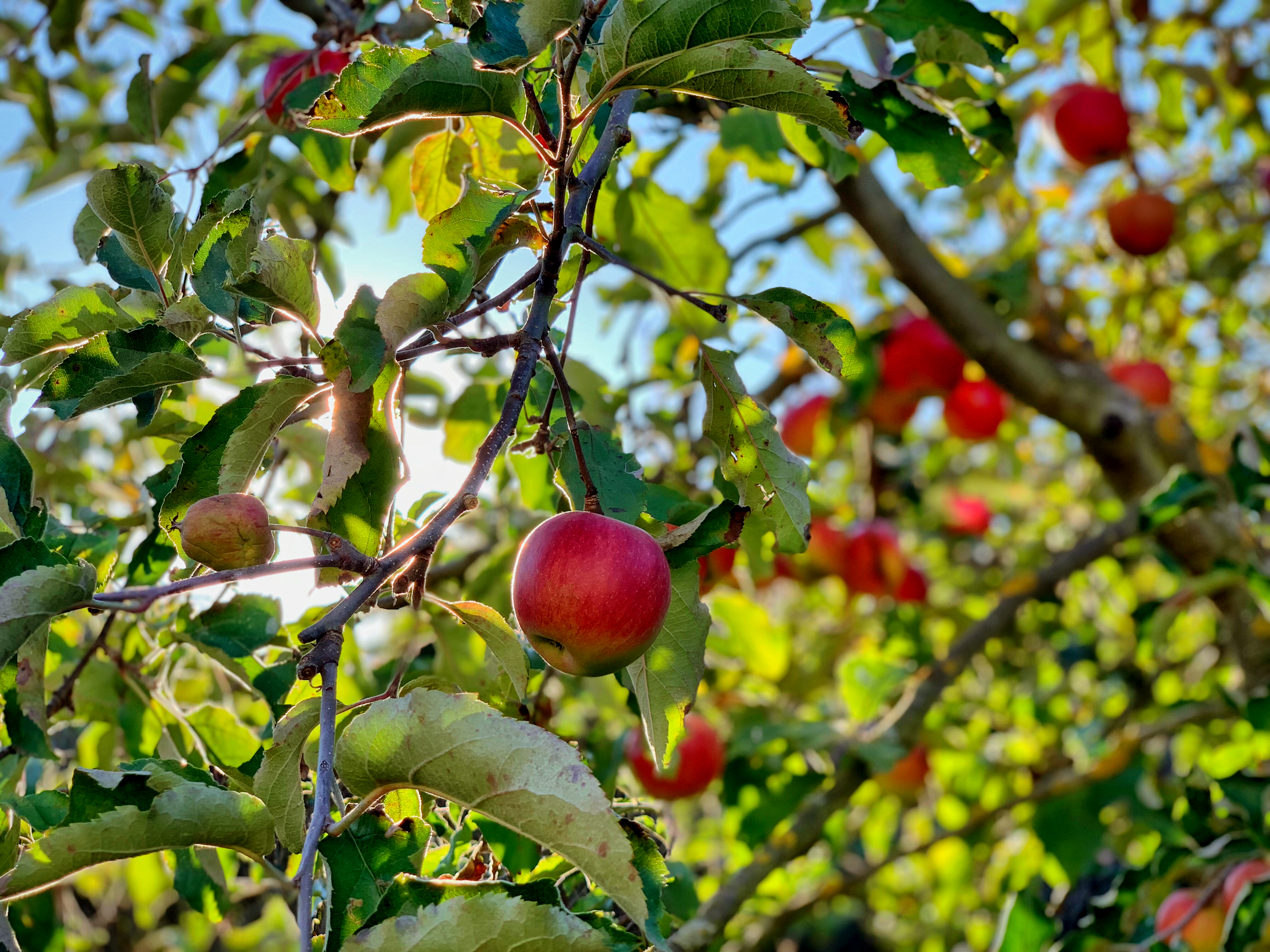
Dreaming of converts
In December 1832, a revelation by the Prophet Joseph Smith directed him to create a school to prepare Elders for ministry. The School of the Prophets was opened in January 1833 in Kirtland, Ohio above Newel K Whitney’s store (3). The ministerial school was held in a simple room with wood Zoors and wooden benches facing the front where a fireplace stood. The Prophet Joseph Smith presided over the school (often with Sidney Rigdon’s help) providing lectures on secular and sacred topics (4).
On the Jrst day of school, the Elders experienced the gifts of speaking in and interpreting tongues. The speaking of tongues may have sounded like gibberish, but the Elders believed they were speaking in an unknown language (5). One Elder stood up and began a beautiful monologue in a language not understood by any to be English or any other language they had encountered. A second Elder immediately stood up and began interpreting what the first Elder was saying, “When the Prophet of God. Was here with us below. Who have listened with pride. To the precepts he taught. And His words and His councils. Will not be forgot”. This went on for several hours until the Prophet called the room into silence and prayer.
On the second day of school, the Prophet Joseph Smith washed the faces, hands, and feet of the Elders according to the Bible (6). The first Elder was a bit taken aback by the Prophet kneeling down beside him with a washcloth and basin of water. The Prophet wetted the washcloth and dabbed the Elder’s face gently, then he took each of the Elder’s hands and dipped them into the water. Next, the Prophet asked the Elder to remove his boots and stockings, and he gently placed the Elder’s left foot into the basin using the washcloth to clean it. And repeated this on the right foot. Sidney Rigdon assisted the Prophet by taking the basin filled with dirty water and replacing it with clean water. Once the Prophet had washed everyone’s face, hands, and feet, he stood in front of the room and proclaimed that they were “clean from the blood of this generation.” Those in attendance said the washing of feet ceremony was what established the School as an institution.
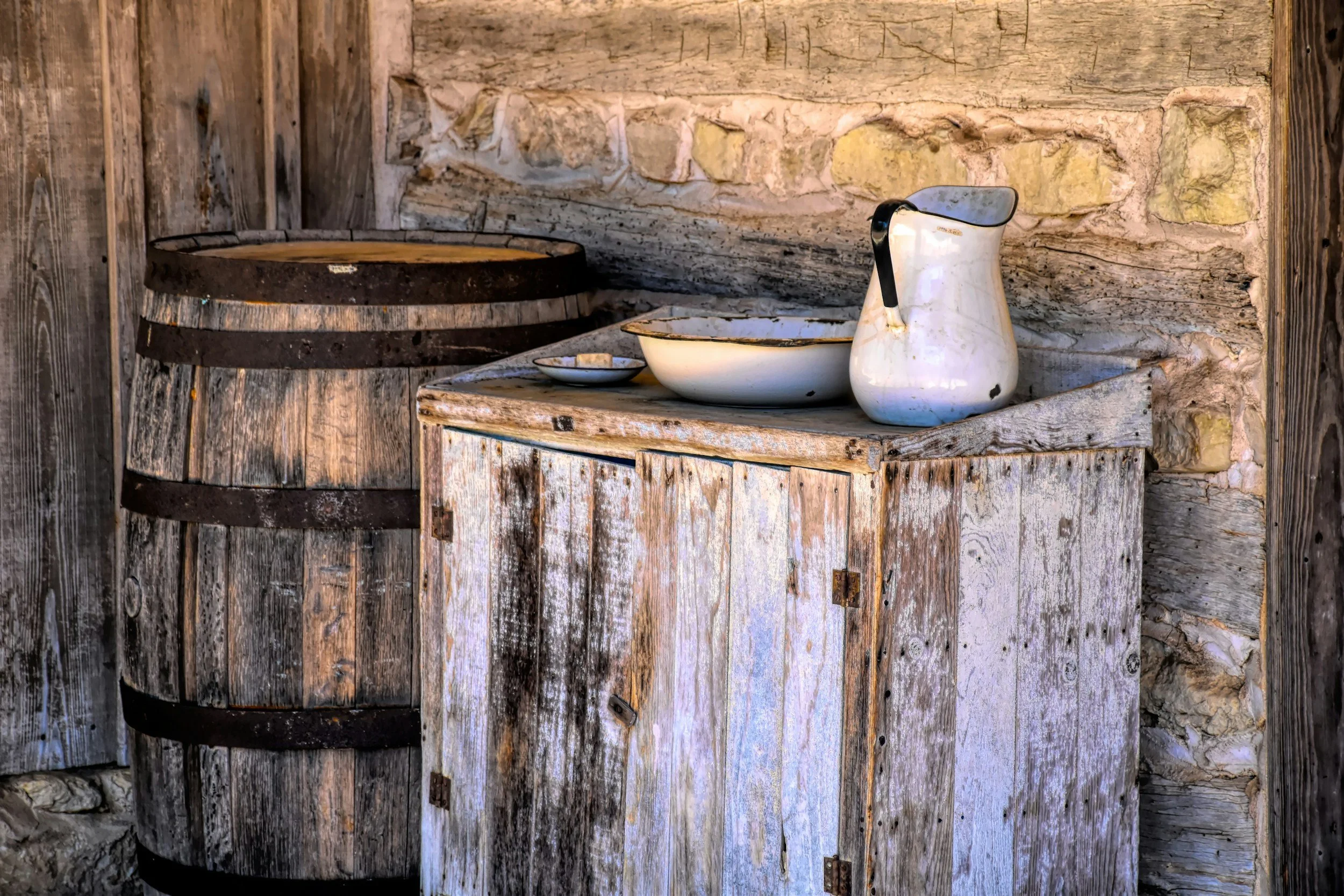
The Prophet Joseph Smith washed everyone’s face, hands, and feet
In April 1833, school was adjourned so the Elders attending could be sent on their missions (7). The Prophet needed them to raise funds to purchase property in Kirtland, Ohio. Equipped with their ministerial training, the Elders went out to preach and baptize new members. Baptism by immersion was required for membership in the Mormon Church. In those days baptism was typically done in a river, lake, pond, or other natural body of water that was available.
The School of the Prophets was the prototype of what would become the Missionary Training Center or “The MTC”. These centers are devoted to training missionaries before they are sent out to their missions. There are 11 of them operating around the world today.
Footnotes
Currently, young men (between the ages 18 to 25) and young women (between the ages 19 to 25) who meet the standards of worthiness are encouraged to serve a mission. Men serve 24 months and women serve 18 months.
Samuel Smith: missionary to the Prophets. Samuel Smith gave a copy of the Book of Mormon to Phineas Young, Brigham Young’s brother. Brigham Young would go on to be the second Prophet of the Mormon Church. https://history.churchofjesuschrist.org/content/museum/samuel-smith-missionary-to-prophets?lang=eng
The School of the Prophets: https://www.churchofjesuschrist.org/study/history/topics/school-of-the-prophets?lang=eng
School of the Prophets, glossary from the Joseph Smith Papers: https://www.josephsmithpapers.org/topic/school-of-the-prophets
Known as glossolalia
Meeting minutes, January 1833. After the washing of the feet “Having continued all day in fasting and prayer before the Lord at the close they [the Elders] partook of the Lords supper which was blessed by the president [Josephs Smith] in the name of the Lord all eat and drank and were filled then sang an hymn and went out.” https://www.josephsmithpapers.org/paper-summary/minutes-22-23-january-1833/1
History, 1838–1856, volume A-1h, page 287. https://www.josephsmithpapers.org/paper-summary/history-1838-1856-volume-a-1-23-december-1805-30-august-1834/293